What are the new findings?
Analysis of 2025 data reveals that non-service member beneficiaries of the Military Health System remain overwhelmingly reliant upon outsourced care: Roughly 70% of TRICARE-eligible and more than 91% of Medicare-eligible individuals received their health care exclusively from civilian providers. The 2025 data also reveal distinct, age-related burdens of morbidity. While both mental health and developmental disorders dominate provision of care for beneficiaries under age 45 years, musculoskeletal system and cardiovascular conditions constitute the primary health care encounters for older adults.
What is the impact on readiness and force health protection?
The 2024-2029 Military Health System (MHS) Strategy aims to attract as well as re-attract beneficiaries to MHS medical facilities, not only to improve System efficiency but to purposely fulfill the nation’s promise to care for its military beneficiaries, as well as enriching the clinical experience for the ready military medical force. Continued evaluation of health care provision and diagnostic patterns may aid senior leaders’ resource allocation to realize current MHS strategy and goals.
Background
Operating as a globally integrated health delivery network, the Military Health System (MHS) executes a dual mandate: ensuring the operational medical readiness of the U.S. Armed Forces and providing comprehensive health care to eligible personnel and their dependents.1 This system relies on a hybrid model, balancing care delivered at military hospitals and clinics, known as the Direct CareDirect care refers to military hospitals and clinics, also known as “military treatment facilities” and “MTFs.”direct care system, with civilian care facilitated by the TRICARE network. Fulfilling its commitment to service members, retirees, and their families, the MHS provided TRICARE eligibility to approximately 9.4 million beneficiaries in fiscal year 2024.2
Due to the diversity of this beneficiary population, health care enrollment and provision patterns vary significantly among different demographic categories.2 To optimize this complex network, the current Department of War (DOW) strategy, guided by the MHS Strategy for Fiscal Years 2024-2029 and recent stabilization directives, heavily prioritizes rebuilding direct care capacity.3 A central objective of this strategy is to “attract and reattract beneficiaries to military treatment facilities,” a shift designed to maximize system efficiency, enrich clinical case diversity, and sustain the medical proficiency of the Ready Medical Force.4,5
When interpreting these usage patterns, the structural transition of health benefits at age 65 years is a critical factor. For beneficiaries younger than age 65 years, care is distributed between military hospitals and clinics and civilian providers. Upon reaching age 65 years and gaining Medicare eligibility, standard TRICARE coverage converts to TRICARE for Life (TFL), a Medicare supplement funded independently of the Defense Health Program. While Medicare-eligible individuals can still access military hospitals and clinics, depending on space availability, their care is predominantly outsourced via the civilian health care system. Consequently, morbidity burdens must be analyzed within specific age cohorts and care settings to accurately reflect their true impacts on MHS resources.
Building on prior annual analyses, this report quantifies the health care burdens of non-service member MHS beneficiaries during calendar year 2025. Morbidity was assessed using a modified Global Burden of Disease (GBD) classification framework6-9 in conjunction with standard International Classification of Diseases, 10th Revision, Clinical Modification (ICD-10-CM) diagnostic groupings for both hospitalizations, or inpatient visits, and ambulatory care, or outpatient visits. To account for the distinct health care provision differences driven by the TRICARE-to-Medicare transition, the resulting estimates are stratified by 4 age categories, with beneficiaries ages 65 years and older analyzed separately.
Methods
The surveillance population included all non-service member MHS beneficiaries who had at least 1 hospitalization or outpatient medical encounter from January 1 through December 31, 2025, with either a military hospital, clinic, or health care provider, or through a civilian facility or provider (if reimbursed through TRICARE or through Medicare with a co-payment by TFL). All inpatient and outpatient medical encounters for this analysis were summarized according to the primary (i.e., first-listed) ICD-10-CM codes that indicate the natures of illnesses or injuries (A00–T88). Nearly all records of encounters with first-listed diagnoses coded with ‘Z’ (“care other than for a current illness or injury,” e.g., general medical examinations, after care, vaccinations) or ‘V’, ‘W’, ‘X’, or ‘Y’ (“indicators of the external causes but not the natures of injuries”) were excluded from the analysis; encounters with a code of Z37 (“outcome of delivery”) in the primary position were retained.
For summary purposes, all illness- and injury-specific diagnoses (as defined by ICD-10) were grouped into 157 burden of disease-related conditions and 25 major morbidity categories, based upon a modified version of the classification system developed for the GBD Study. The methodology for summarizing absolute and relative morbidity has been used annually since 2014 and is described elsewhere.8 Results were stratified by source of health care (direct care [i.e., military hospitals and clinics] vs. civilian facilities) and by age group (0-17 years, 18-44 years, 45-64 years, 65 years and older). For analysis of morbidity burdens within the youngest age group, developmental disorders were included in the general category of mental health disorders.
Results
In 2025, the population of non-service member MHS care recipients included more female (57.3%) than male (42.7%) beneficiaries. Adults ages 65 years or older accounted for the highest number of individuals receiving health care (n=2.06 million, 33.5%), followed by pediatric beneficiaries ages 0-17 years (n=1.44 million, 23.3%), adults ages 18-44 years (n=1.37 million, 22.1%), and older adults ages 45-64 years (n=1.30 million, 21.1%) (Table 1).
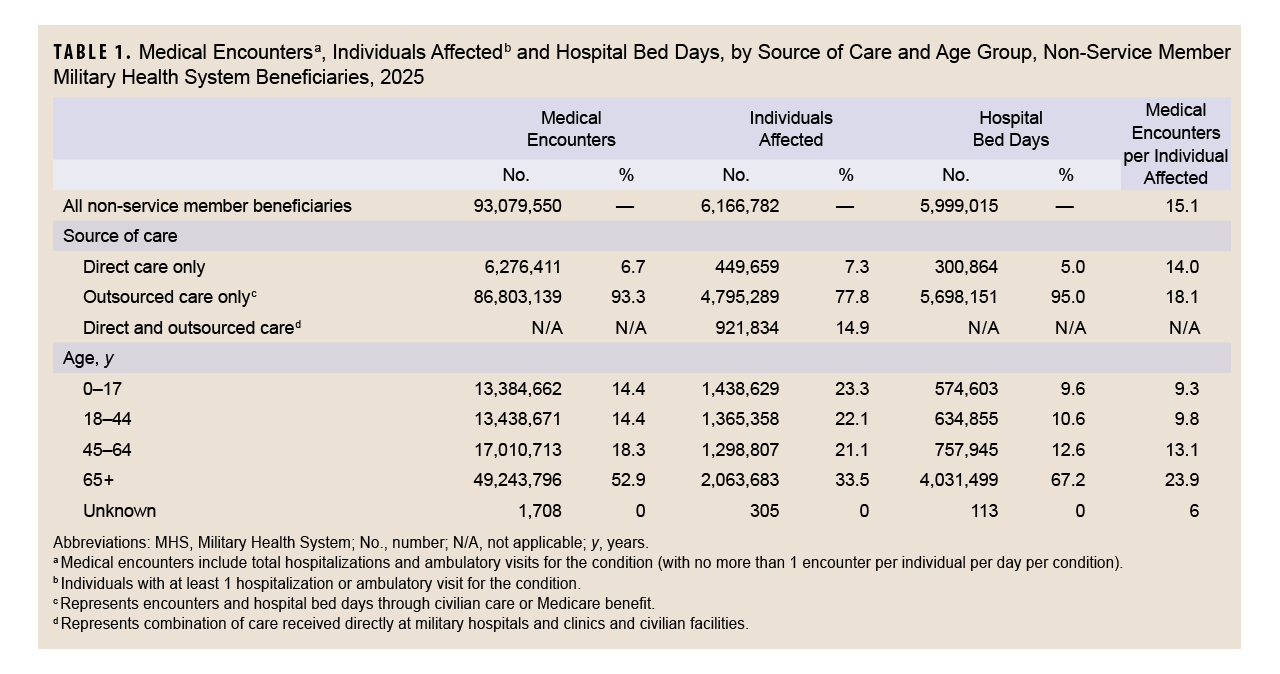
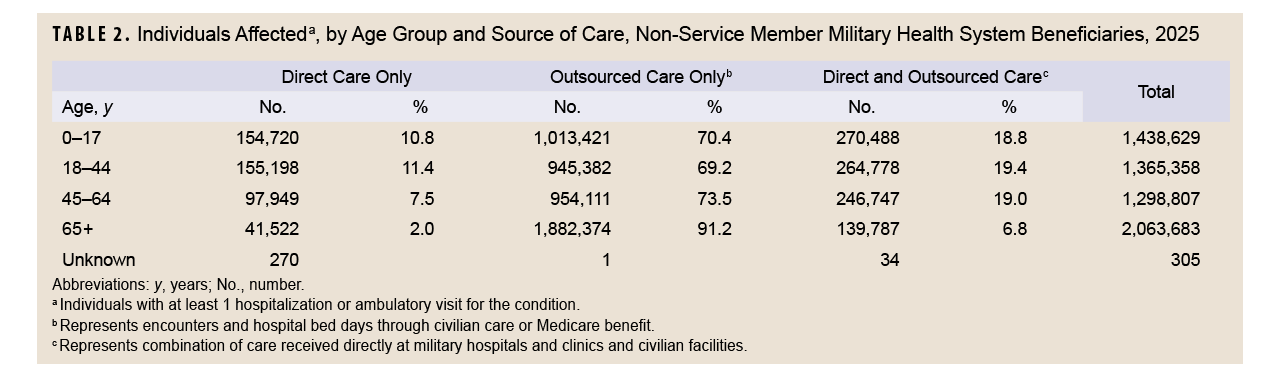
In 2025, a total of 6,166,782 non-service member MHS beneficiaries had 93,079,550 recorded medical encounters. Over half (52.9%) of those medical encounters were among 2,063,683 MHS beneficiaries ages 65 years and older (Table 1). Provision of care for the oldest age group was almost exclusively from civilian providers, with 91.2% of individuals ages 65 years or older having medical encounters or hospital bed days documented only from reimbursements processed for care at civilian facilities (Table 2). Among TRICARE-eligible beneficiaries (younger than age 65 years), health care was also almost exclusively from civilian facilities. Adults ages 18-44 years received approximately one-third of their care exclusively from military hospitals and clinics (11.4%) or a combination of direct and outsourced care (19.4%) (Table 2).
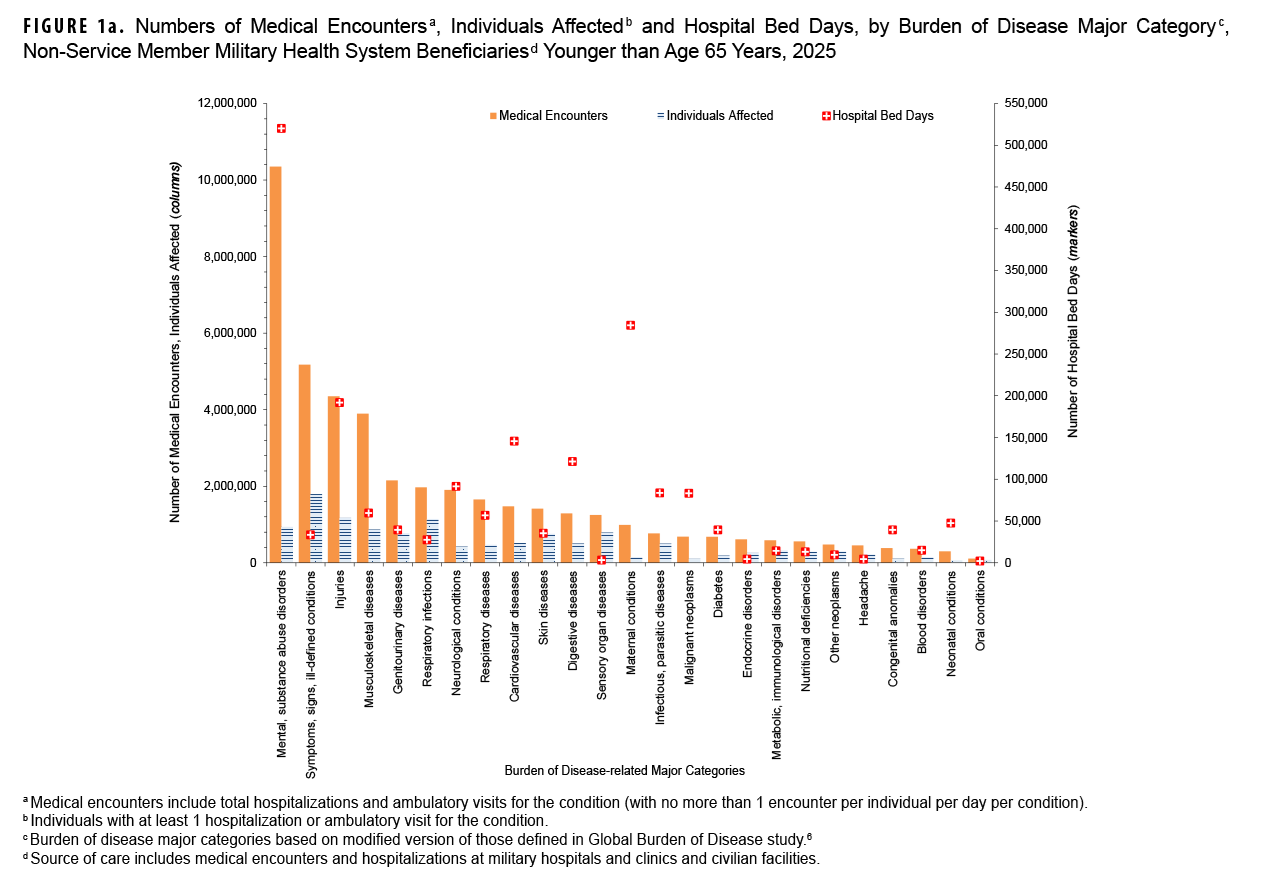
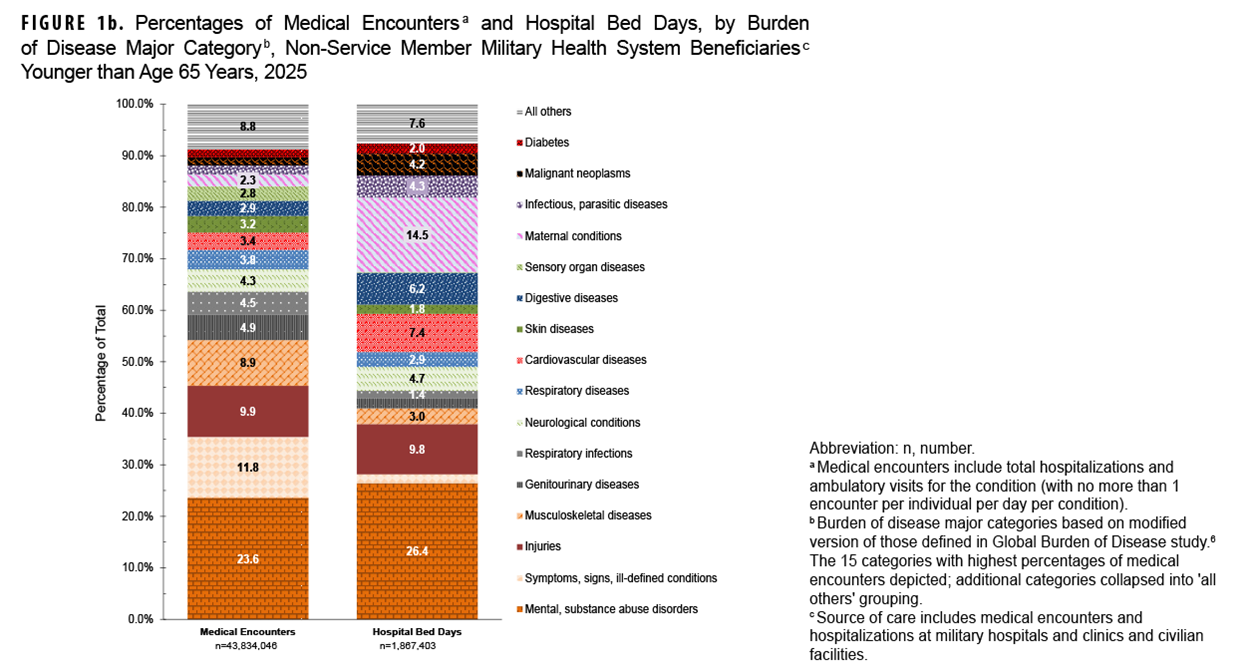
The 3 most frequent morbidity-related categories accounting for the most medical encounters among TRICARE-eligible beneficiaries included mental health disorders, injuries, and symptoms, signs and ill-defined conditions (Figure 1a). Mental health disorders also represented the leading category for hospital bed days for beneficiaries younger than age 65 years, followed by maternal conditions (Figure 1b).
Pediatric beneficiaries younger than age 18 years
Pediatric patients accounted for 14.4% of all medical encounters, 23.3% of all individuals affected, and 9.6% of all hospital bed days among non-service member MHS beneficiaries in 2025 (Table 1). On average, each pediatric beneficiary experienced 9.3 medical encounters during the year. Provision of care for pediatric patients was primarily through reimbursement for care in civilian facilities (70.4%), followed by a combination of direct and outsourced care (18.8%). Only 10.8% of pediatric patients received all medical encounters or hospital bed days directly from MHS providers (Table 2).
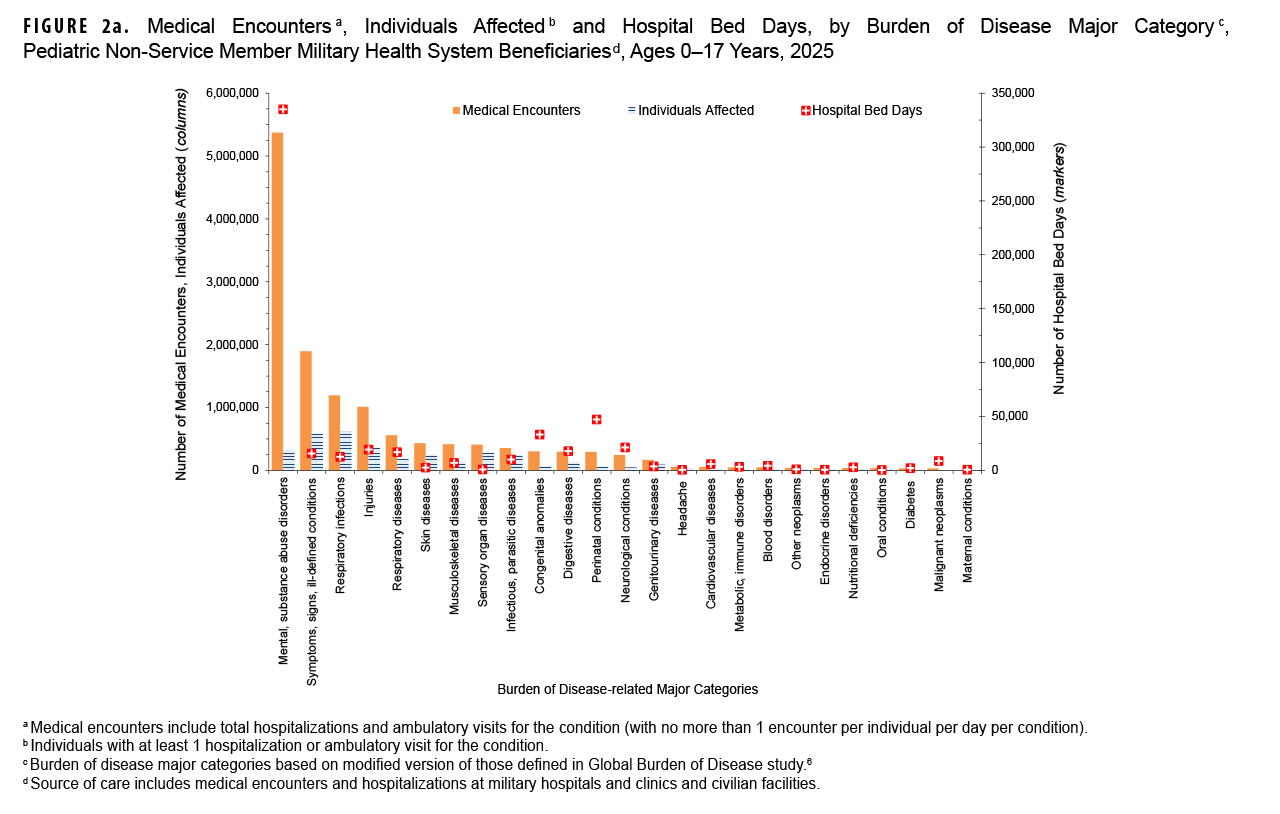
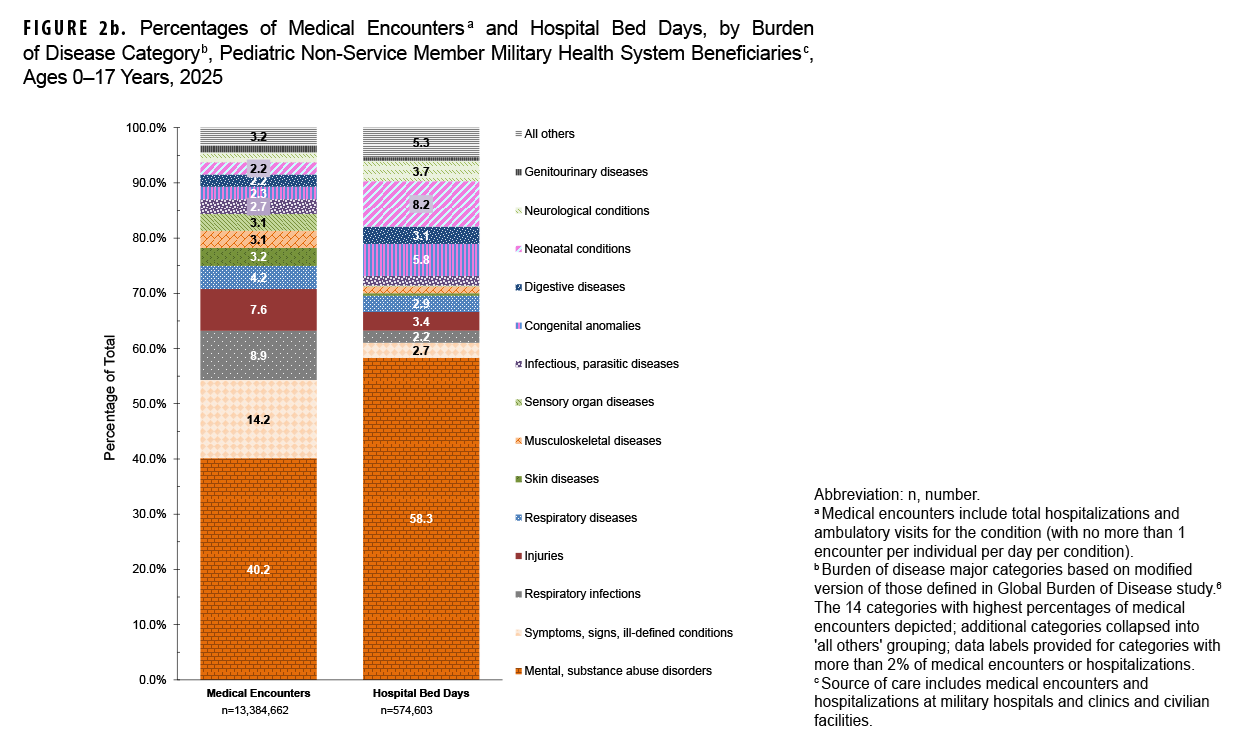
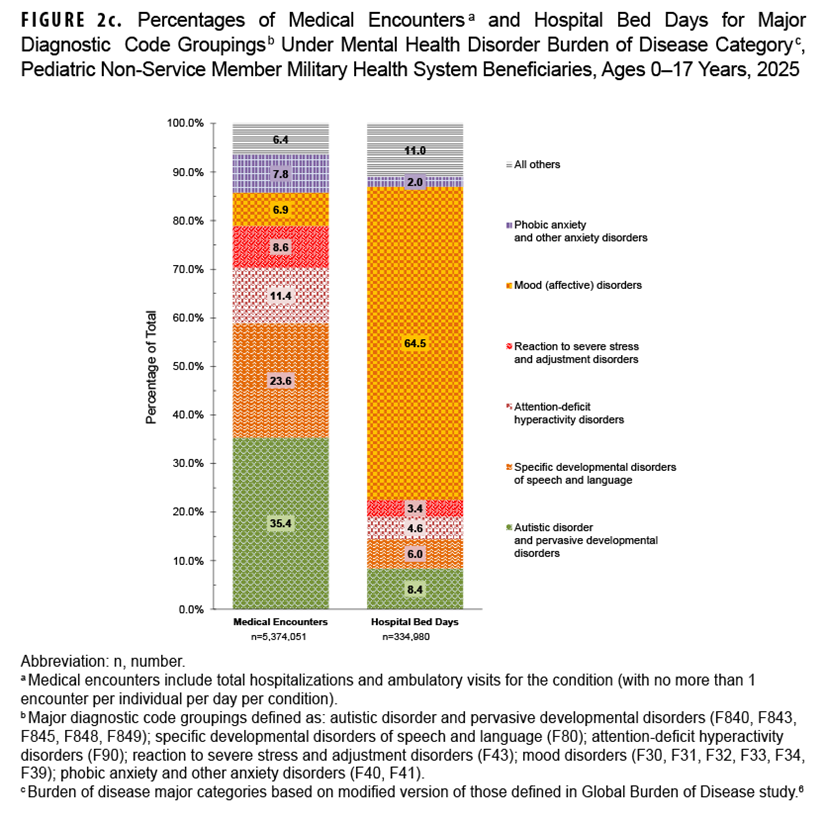 In 2025, mental health disorders represented the largest burden of disease among pediatric beneficiary medical encounters (40.2%, n=5,374,051) and contributed to the greatest number of hospital bed days (58.3%, n=334,980) (Figures 2a, 2b). On average, pediatric beneficiaries affected by a mental health disorder had 16.2 medical encounters during the year specifically related to this morbidity category (data not shown). More than two-thirds (70.3%) of all medical encounters for mental health disorders among pediatric beneficiaries were attributed to 3 groups of disorders: autistic disorders and pervasive developmental disorders (35.4%), developmental disorders of speech and language (23.6%), and attention-deficit hyperactivity disorders (11.4%) (Figure 2c). Pediatric patients affected by an autistic disorder had, on average, 41.4 autism-related encounters per individual (data not shown).
Over two-thirds (64.5%) of hospital bed days related to mental health disorders among pediatric beneficiaries were attributable to mood disorders. Among all mood disorder-related hospital bed days, over 60% were attributed to 2 diagnostic categories: recurrent severe major depressive disorder without psychotic features (30.8%, ICD-10 F332) and disruptive mood dysregulation disorder (31.7%, ICD-10 F3481) (data not shown).
Perinatal conditions, or medical issues occurring within 1 year of birth, accounted for the second highest number of hospital bed days (n=47,254, 8.2%) in 2025 among pediatric beneficiaries, after mental health disorders (Figures 2a, 2b). Pediatric beneficiaries affected by malignant neoplasms had, on average, 13.5 neoplasm-related encounters per individual. The highest numbers of malignant neoplasm-related encounters and hospital bed days were attributable to leukemias (data not shown).
Respiratory infections (including upper and lower respiratory infections and otitis media) accounted for more medical encounters (8.9%) among pediatric beneficiaries compared to any older age group of beneficiaries (Figures 2b, 3b, 4b, 5b).
Beneficiaries ages 18–44 years
Individuals ages 18-44 years accounted for 14.4% of all medical encounters, 22.1% of all individuals affected, and 10.6% of hospital bed days among non-service member MHS beneficiaries in 2025 (Table 1). On average, each individual ages 18-44 years affected with an illness or injury (of any cause) had 9.8 medical encounters during the year. Provision of care for beneficiaries ages 18-44 years was primarily (69.2%) through reimbursement for care in civilian facilities, followed by a combination of direct and outsourced care (19.4%). Only 11.4% of beneficiaries ages 18-44 years received all medical encounters or hospital bed days directly from MHS providers (Table 2).
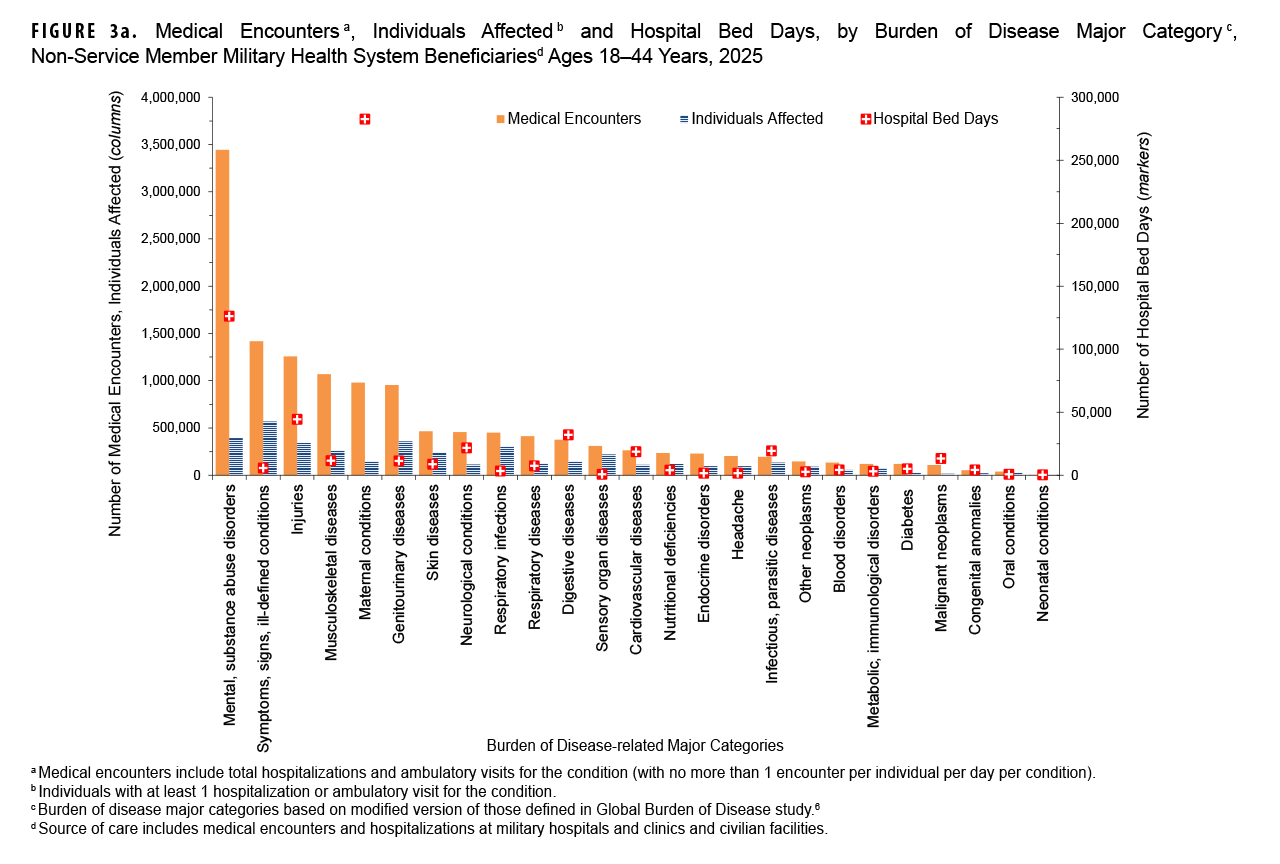
Mental health disorders accounted for the most medical encounters (n=3,444,190, 25.6%) among adult MHS beneficiaries ages 18-44 years in 2025 (Figures 3a, 3b), also representing about one-fifth (19.9%) of total hospital bed days, and on average, 8.8 mental health-related encounters per individual. Anxiety disorders (37.1%), mood disorders (28.9%), and adjustment disorders (14.2%) accounted for over three-quarters (80.2%) of all medical mental health care encounters (data not shown). Mood and substance abuse disorders accounted for over three-quarters (48.6% and 26.7%, respectively) of hospital bed days required for mental health disorders.
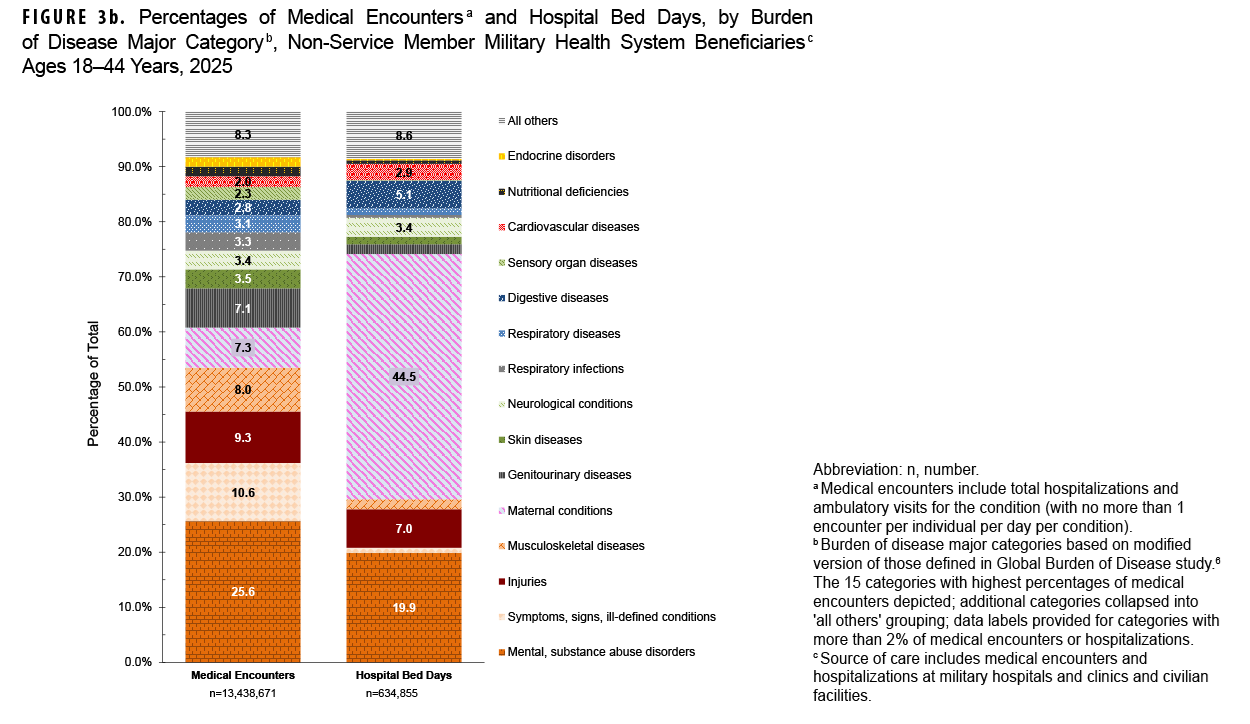
Maternal conditions accounted for more than two-fifths (n=282,691, 44.5%) of all hospital bed days among adults ages 18-44 years, as well as, on average, 6.7 medical encounters per affected individual (Figures 3a, 3b). Of the 282,691 hospital bed days for maternal conditions, 64.0% were attributed to pregnancy complications, with 18.9% due to infant deliveries (data not shown).
Malignant neoplasms, as a diagnostic group, resulted in 7.0 encounters, on average, per individual in 2025. Of the 106,604 medical encounters for malignant neoplasms among adults ages 18-44 years, 32.9% were attributed to malignant neoplasm of the breast (data not shown).
Beneficiaries ages 45–64 years
Non-service member beneficiaries ages 45-64 years constituted approximately one-fifth (18.3%) of all medical encounters, 21.1% of all individuals affected, and 12.6% of hospital bed days in 2025 (Table 1). Each affected individual ages 45-64 years had, on average, 13.1 medical encounters during the year. Provision of care for beneficiaries ages 45-64 years was primarily (73.5%) through reimbursement for care in civilian facilities, followed by a combination of direct and outsourced care (19.0%). Only 7.5% of beneficiaries ages 45-64 years received all medical encounters or hospital bed days directly from MHS providers (Table 2).
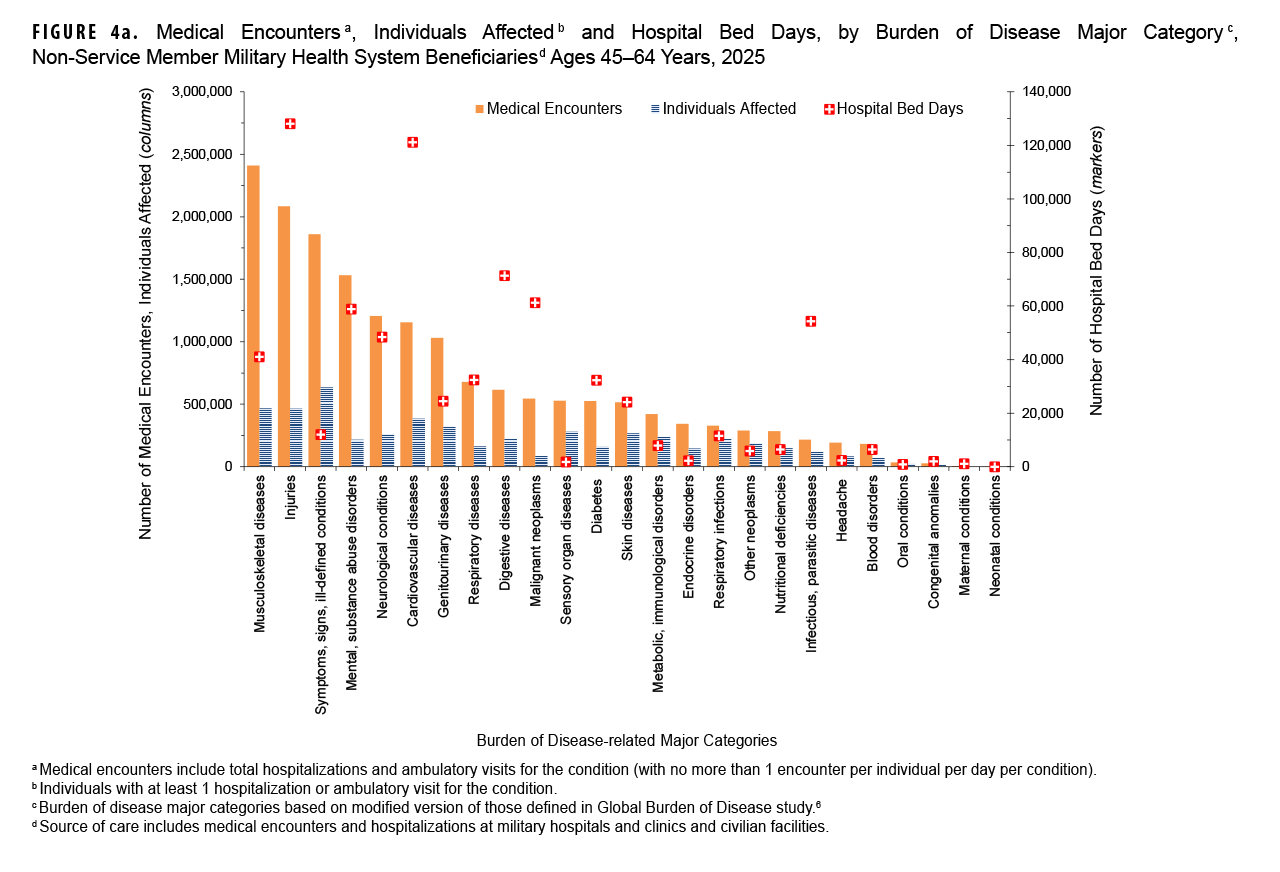
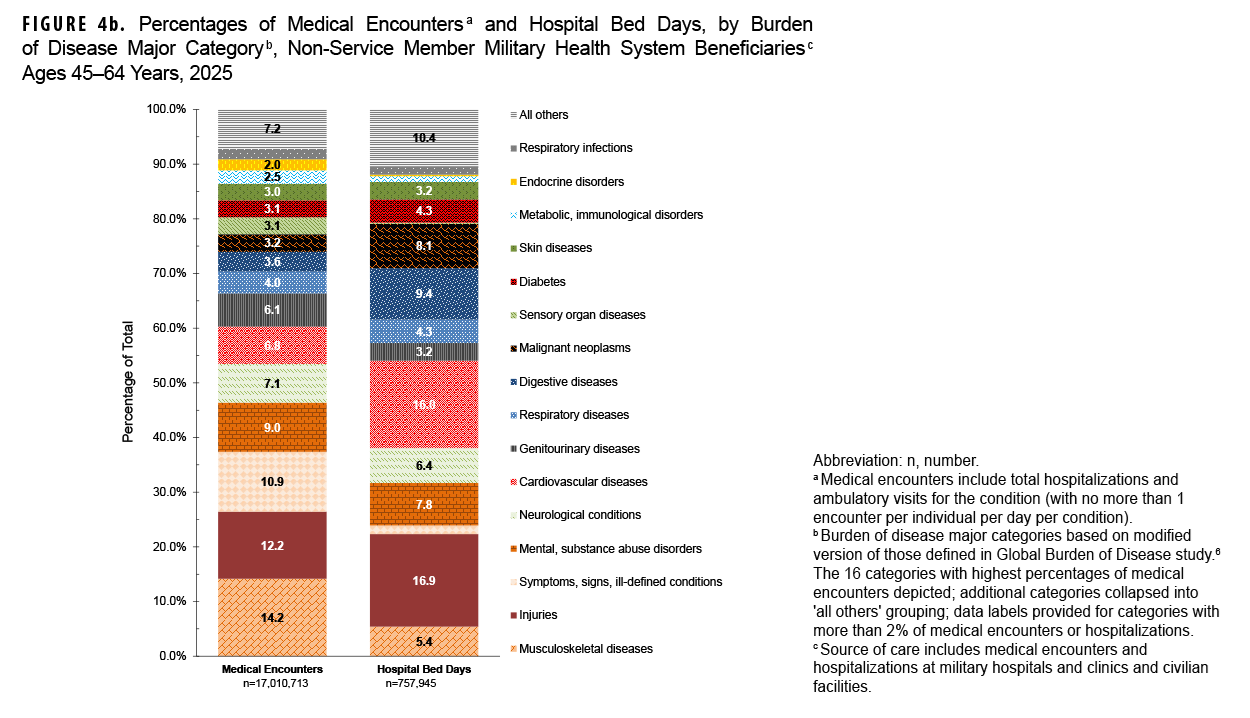
Of all morbidity-related categories, musculoskeletal diseases accounted for the most medical encounters (n=2,409,259, 14.2%) among older adult beneficiaries ages 45-64 years (Figures 4a, 4b); back problems accounted for 41.7% of those musculoskeletal disease-related encounters (data not shown). Injuries represented the highest proportion of hospital bed days (16.9%) among adults ages 45-64 years, followed by cardiovascular diseases (16.0%). Digestive diseases (9.4%) and malignant neoplasms (8.1%) accounted for larger percentages of total hospital bed days among beneficiaries of this age group compared to other age groups.
Malignant neoplasm of the breast represented the leading cause of neoplasm-related encounters (26.3%) in adult beneficiaries ages 45-64 years (data not shown).
Medicare-eligible beneficiaries, ages 65 years and older
In 2025, non-service member beneficiaries ages 65 years or older accounted for the largest proportion (52.9%) of medical encounters, and their hospital bed days were more than double all other age groups combined. On average, each affected individual in Medicare-eligible age group had 23.9 medical encounters during the year (Table 1). Provision of care for Medicare-eligible beneficiaries was primarily through reimbursement of care from civilian facilities (91.2%); only 2% received all medical encounters or hospital bed days directly from MHS providers (Table 2).
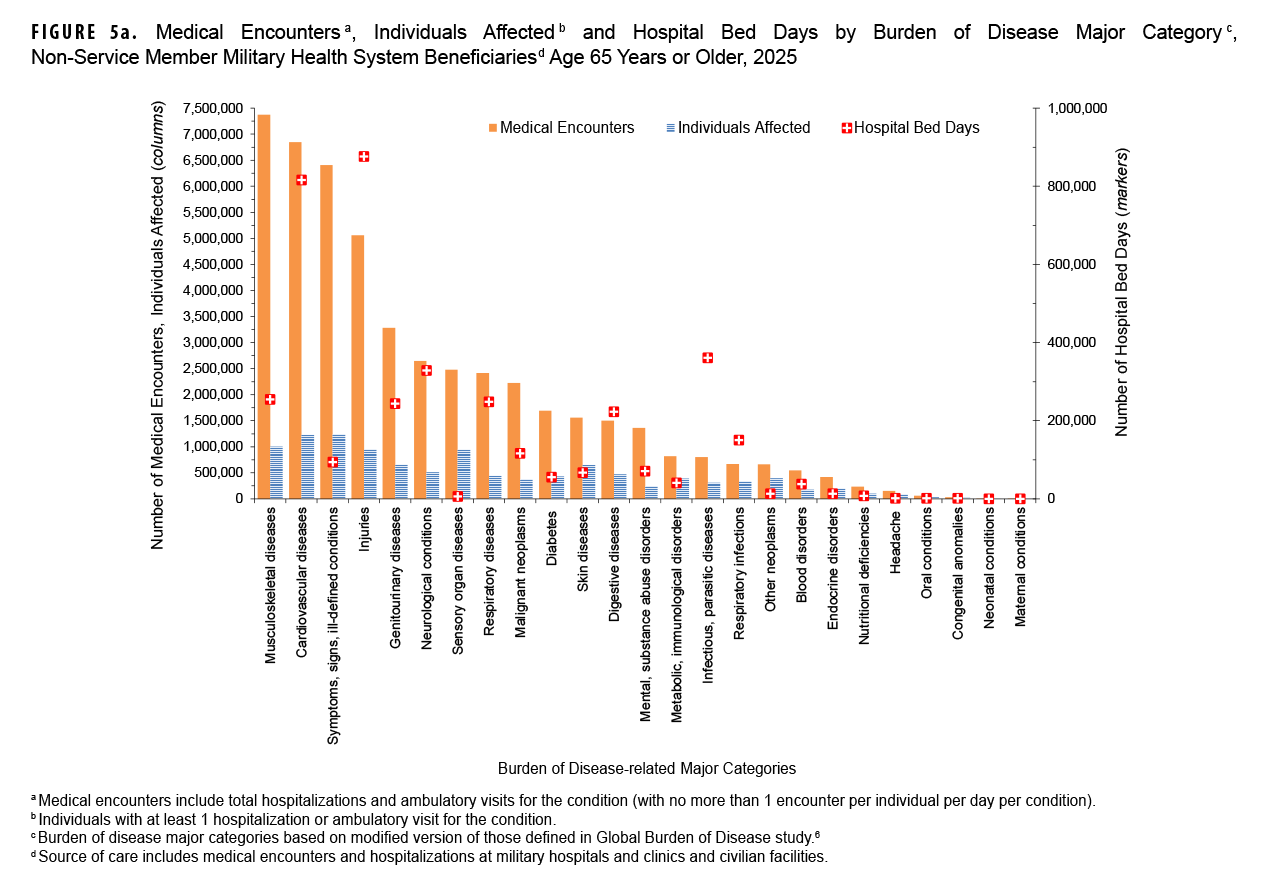
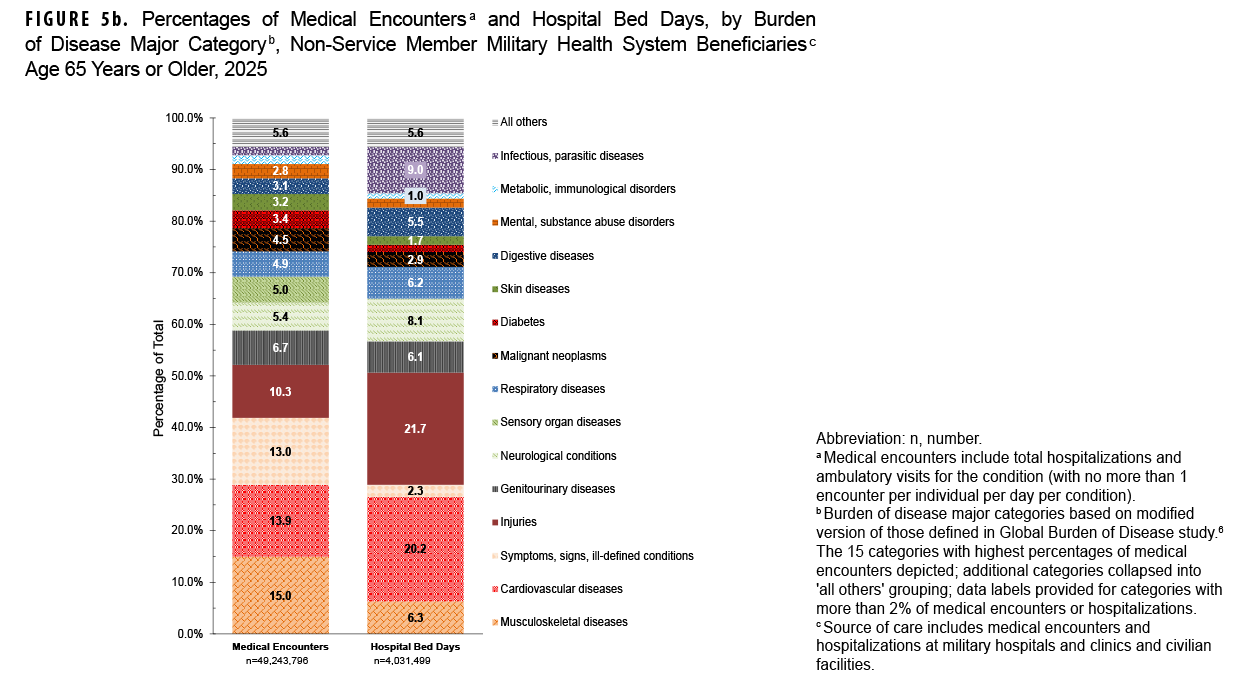
Musculoskeletal diseases (n=7,371,419, 15.0%) and cardiovascular diseases (n=6,846,617, 13.9%) together represented the leading causes for medical encounters among beneficiaries ages 65 years or older, while injury (n=875,871, 21.7%) and cardiovascular diseases (816,180 days, 20.2%) were the leading diagnostic categories for their hospital bed days (Figures 5a, 5b). Back problems accounted for a little more than one-third (35.0%) of all musculoskeletal disease-related medical encounters among individuals ages 65 years and older (data not shown).
Discussion
These findings from calendar year 2025 reveal a continued reliance on civilian care among all age groups of non-service member MHS beneficiaries. To improve access and sustain clinical readiness, DOW’s strategy for fiscal years 2024-2029 prioritizes “attracting and reattracting” beneficiaries to military hospitals and clinics. These data, however, demonstrate that most care is still nearly exclusively civilian for TRICARE-eligible beneficiaries (younger than age 65 years): 70.4% for those ages 0-17 years, 69.2% for those ages 18-44 years, and 73.5% for those ages 45-64 years.
Notably, MHS beneficiaries receive higher health care provision compared to the general U.S. population. Compared to the National Ambulatory Medical Care Survey of 2019, which documented 3.2 ambulatory visits per person-year among the civilian population, non-service member MHS beneficiaries had 14.6 ambulatory health care visits per person-year.10 Since the National Ambulatory Medical Care survey includes uninsured individuals, financial barriers to care may explain a portion of the lower overall use rate among the general U.S. population. Conversely, MHS beneficiaries benefit from comprehensive coverage with minimal direct payment, or out-of-pocket costs, which drives higher general provision of care, while the unique stressors of military life may also generate significant demand for specific services, particularly mental health care.11,12
Consistent with prior years, this analysis reveals age-related contrasts in morbidity burdens. For pediatric (ages 0-17 years) and younger adult (ages 18-44 years) populations, mental health disorders remain the overwhelming cause of health care. In pediatric patients, outpatient mental health services are primarily influenced by developmental disorders, with nearly 70% of mental health encounters attributable to autistic disorders, developmental speech and language disorders, or attention-deficit hyperactivity disorders. Similarly, young adults seek extensive outpatient care for anxiety and mood disorders, while maternal conditions continue to account for the highest proportion of hospital bed days for the ages 18-44 years group.
In older MHS beneficiaries, the burden of health care shifts to chronic physical conditions and injuries, continuing trends consistent with 2024 data.14 Individuals ages 45 or older account for the highest volume of medical encounters, predominantly due to musculoskeletal conditions. Furthermore, injuries and cardiovascular diseases constitute the leading causes of hospital bed days for both the ages 45-64 years and Medicare-eligible (ages 65+ years) populations. Because the Medicare-eligible demographic generates the highest care provision rates but relies almost exclusively on non-MHS resources via Medicare and TFL, their direct impact on military hospital capacity remains mitigated.
While this report provides a comprehensive overview of morbidity-related diagnoses, it is inherently limited to care billed through TRICARE or Medicare (with TFL). Care paid for directly, or out-of-pocket, or through other unbilled primary health insurance, is not captured. This summary is based on primary (i.e., first-listed) diagnosis codes reported on ambulatory visit records and discharge diagnoses for hospitalizations; this summary discounts morbidity related to co-morbid and complicating conditions that may have been documented in secondary diagnostic positions. The accuracy of reported diagnoses likely varies according to medical condition, clinical setting, care provider, and health care facility, as the data were collected for non-surveillance purposes. The data presented in this report were extracted from DMSS on May 1, 2026.
Continued evaluation of health care provision and diagnostic patterns may aid senior leaders’ allocation of resources for realization of the current MHS strategy and goals. The gap between the reliance on civilian care and the strategic vision for the MHS is actively being addressed at the highest levels of the DOW. Ultimately, reversing the trend of outsourced care is not merely an administrative goal but strategic imperative: As noted by Defense Health leadership, providing accessible, high-quality care within the MHS directly sustains medical proficiency, ensuring that when military medical personnel take care of beneficiaries, they inherently increase the readiness of the total force.15
References
- Mendez BHP, Congressional Research Service. Defense Primer: Military Health System. In Focus (10530). Library of Congress. Updated Oct. 2024. Accessed Aug. 5, 2025. https://www.congress.gov/crs-product/if10530
- Chief Data and Analytics Office, Defense Health Agency. Fiscal Year 2024 TRICARE Program Evaluation Report. U.S. Dept. of War. Sep. 23, 2025. Accessed May 15, 2026. https://www.health.mil/reference-center/reports/2025/09/23/annual-evaluation-of-the-tricare-program-fy24
- Military Health System. Military Health System Strategy: Fiscal Years 2024-2029. Defense Health Agency, U.S. Dept. of War. Accessed Aug. 5, 2025. https://health.mil/reference-center/publications/2023/12/15/mhs_strategic_plan_fy24_29
- Office of the Deputy Secretary of Defense. Memorandum: Stabilizing and Improving the Military Health System. U.S. Dept. of War. Dec. 6, 2023.
- Office of the Under Secretary of Defense. Memorandum for Senior Pentagon Leadership, Defense Health Agency and DoD Field Activity Directors: Directive-Type Memorandum 24-003–“Military Health System Manpower Requirements Determination, Resourcing, and Assignment”. U.S. Department of War. Jun. 2024. Accessed Jun. 26, 2026. www.esd.whs.mil/portals/54/documents/dd/issuances/dtm/dtm-24-003.pdf?ver=nzqjvmhrb8dohutj8wgqa%3d%3d
- Murray CJ, Lopez AD, Jamison DT. The global burden of disease in 1990: summary results, sensitivity analysis and future directions. Bull World Health Organ. 1994;72(3):495-509. Accessed Aug. 26, 2025. https://iris.who.int/bitstream/handle/10665/41177/9241561750_en_part2.pdf;jsessionid=3145C7676FA5B9E812A71046BA6326A2?sequence=2
- World Health Organization. The Global Burden of Disease: 2004 Update. World Health Organization;2008. Accessed Aug. 26, 2025. https://www.who.int/publications/i/item/9789241563710
- Murray CJL. The Global Burden of Disease Study at 30 years. Nat Med. 2022;28(10):2019-2026. doi:10.1038/s41591-022-01990-1
- Roser M, Ritchie H, Spooner F. Burden of disease. Our World in Data. Updated Feb. 2024. Accessed May 2, 2024. https://ourworldindata.org/burden-of-disease
- Murray CJL, Lopez AD, eds. The Global Burden of Disease: A Comprehensive Assessment of Mortality and Disability from Diseases, Injuries, and Risk Factors in 1990 and Projected to 2020. Harvard University Press;1996:120-122.
- Santo L, Kang K., National Center for Health Statistics. National Ambulatory Health Care Survey: 2019 National Summary. Centers for Disease Control and Prevention, U.S. Dept. of Health and Human Services. 2019. Accessed May 24, 2024. https://www.cdc.gov/nchs/data/ahcd/namcs_summary/2019-namcs-web-tables-508.pdf
- Frakes MD, Gruber J, Justicz T. Public and private options in practice: the Military Health System. Am Econ J Econ Policy. 2023;15(4):37-74. doi:10.1257/pol.20210625
- Wooten NR, Brittingham JA, Pitner RO, et al. Purchased behavioral health care received by Military Health System beneficiaries in civilian medical facilities, 2000–2014. Mil Med. 2018;183(7-8):e278-e290. doi:10.1093/milmed/usx101
- Armed Forces Health Surveillance Division. Absolute and relative morbidity burdens attributable to various illnesses and injuries among non-service member beneficiaries of the Military Health System, 2024. MSMR. 2024; 32(9):45-54. Accessed Jun. 12, 2026. https://www.health.mil/news/articles/2024/07/01/msmr-mhs-beneficiaries-2023
- Mincher R, Military Health Systems Communications. Military Health System Stabilization: Rebuilding Health Care Access Is Critical to Patient’s Well-Being. U.S. Dept. of War. 2024. Accessed Jun. 10, 2026. https://www.defense.gov/news/news-stories/article/article/3652092/military-health-system-stabilization-rebuilding-health-care-access-is-critical